The SaaS Buyer's Journey
Understanding the SaaS buyer’s journey and aligning your paid search strategy.

Let’s face it—buying SaaS isn’t like picking up a gallon of milk at the store. It’s more like signing a long-term lease for a car you’ve only test-driven a few times. SaaS customers are making a serious commitment, which means they’re going to need some convincing. That’s where a well-thought-out paid search strategy can make all the difference.
Our North American Head of Paid Search, Romario Martin, is breaking down the SaaS buyer’s journey into three stages; Awareness, Consideration, and Decision, and sharing how you can meet your prospects where they are without coming off like a pushy car salesperson. Over to you Romario.
1. Awareness: Getting on Their Radar
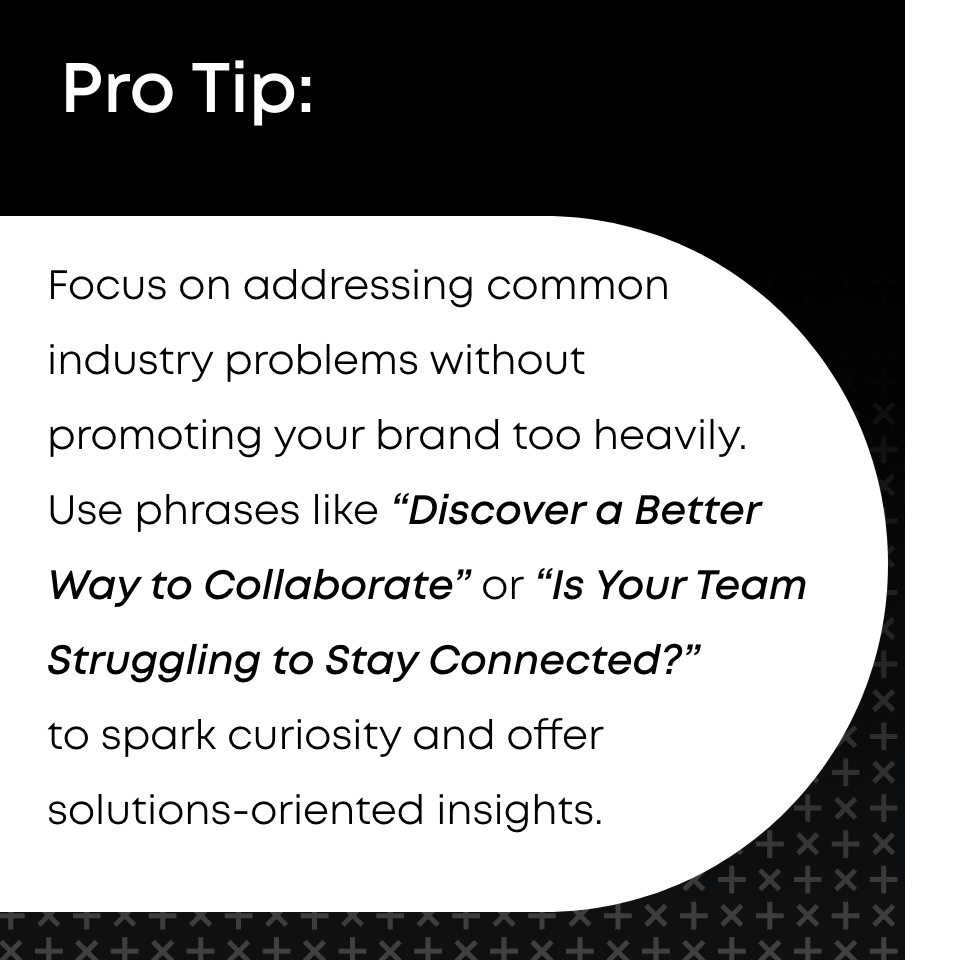
Picture this: Your prospect is sitting at their desk, probably swamped with tasks they’d love to automate. In the awareness stage, they’ve realized they have a problem, but they’re still trying to name it. At this point, your goal isn’t to sell them your software, it’s to introduce them to the idea that a solution exists (and subtly hint that it’s you). You should establish a brand presence and introduce your solution as a credible option – without a hard sell.
Strategies for the Awareness Stage
- Broad Keywords: Target broad, industry-focused keywords to capture users seeking general information. Keywords like “best collaboration tools for teams” or “top CRM software for small businesses” can attract a wider audience.
- Display and YouTube Ads: Use Google’s Display Network and YouTube ads to visually introduce your brand. Visual ads help increase brand recall and position you as a top choice in your space. YouTube’s short, skippable ads are especially engaging for users in this stage.
- Educational Content: Promote valuable resources like blog posts, whitepapers, or reports. Educational content helps build authority and positions your product as a helpful resource. For example, a whitepaper titled “Optimizing Remote Work with Collaboration Tools” can attract users interested in productivity, even if they aren’t ready to buy.


2. Consideration: Making Your Case
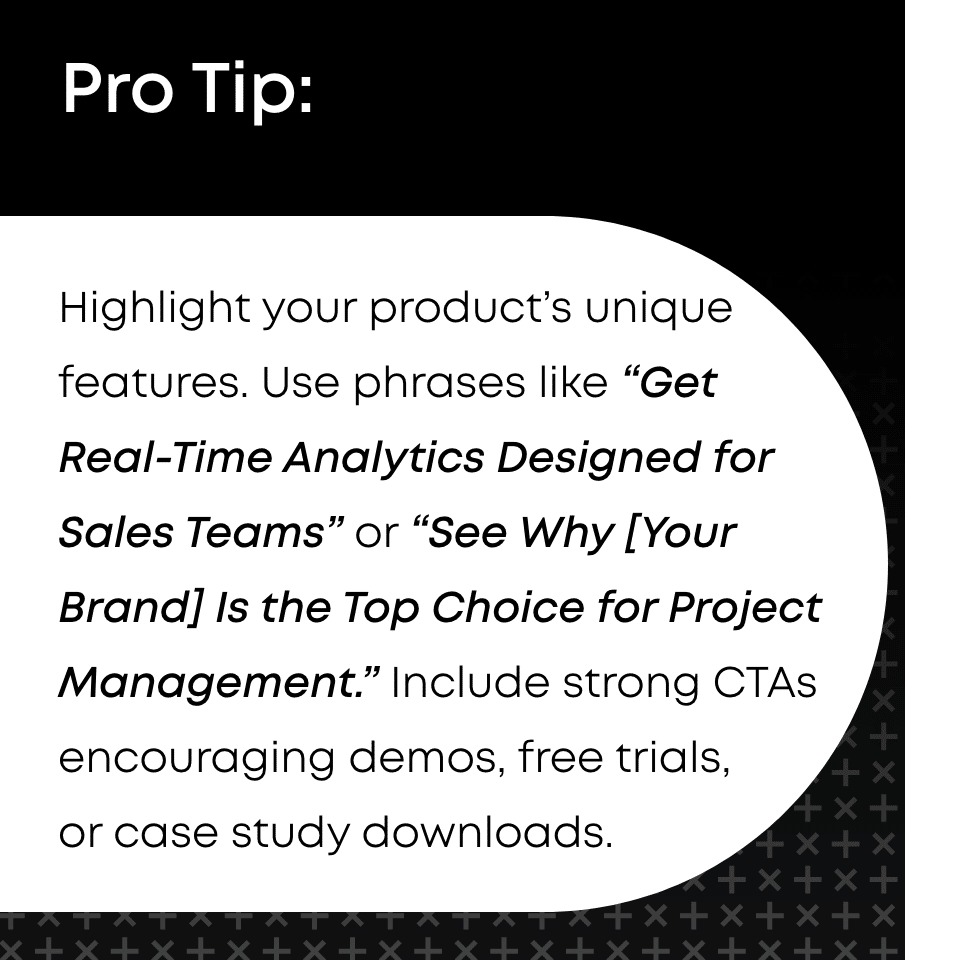
During the consideration stage, your prospect knows there’s a solution to their problem, and they’re doing their homework by actively evaluating potential solutions. They know your brand and have shown interest, but they need more information to make a decision. Your goal during this phase is to stand out without being overbearing. You should build credibility and highlight what makes your product the best choice.
Strategies for the Consideration Stage
- Intent-Driven Keywords: Use keywords that show research intent, like “best CRM software for sales teams” or “CRM vs. ERP solutions.” These keywords are valuable for users considering specific solutions.
- Remarketing Campaigns: Use remarketing ads to reconnect with users who previously visited your site or interacted with awareness-stage content. Remarketing keeps your brand in mind as they explore other options.
- Competitor Keywords: Bid on competitor terms to reach users researching alternative options. This positions your product as a strong contender in the market. (Be mindful of ad policies regarding competitor mentions.)

3. Decision: Closing the Deal
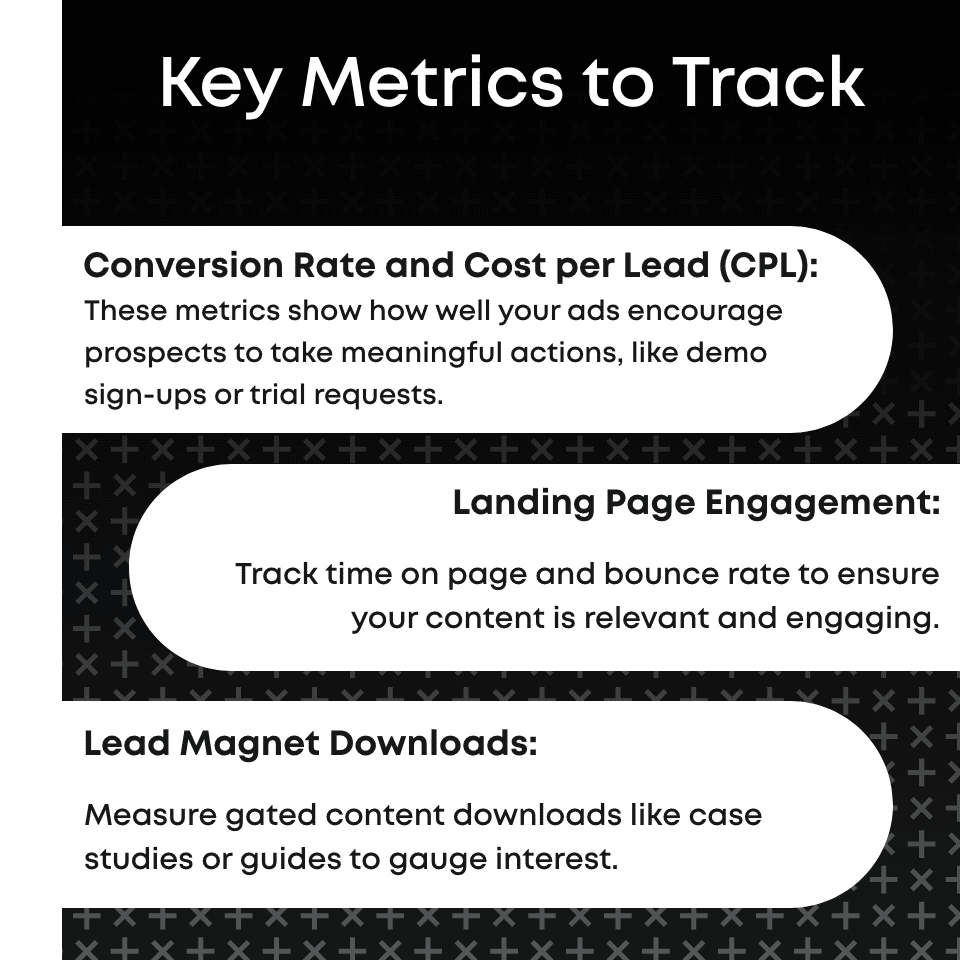
This is the moment of truth. In the decision stage, your prospect has done the research, and they’re ready to commit, but they need one last nudge to choose you. Campaigns at this stage should focus on driving conversions by offering clear calls to action and addressing their last-minute doubts.
Strategies for the Decision Stage
- Branded and Competitor Keywords: Bid on branded and competitor terms to capture high-intent searches. Users searching for your brand are more likely to convert, and competitor keywords allow you to showcase your strengths.
- Dynamic Remarketing Ads: Use dynamic remarketing to serve personalized ads based on users’ previous actions. For instance, if a prospect visited your pricing page, show them an offer that encourages sign-up.
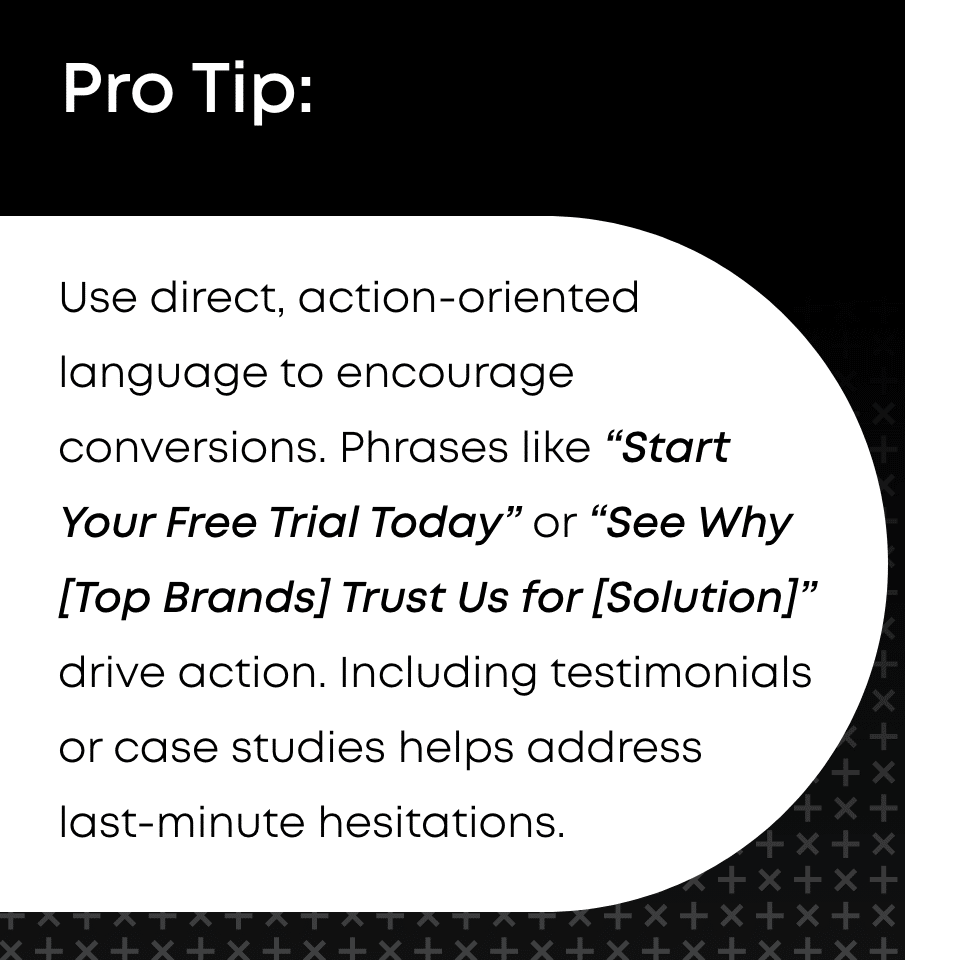
- Incentive Ads: Use limited-time discounts or free onboarding offers to nudge undecided prospects. Phrases like “Get 10% Off Your First Month” or “Sign Up Today and Receive Free Onboarding” can motivate them to act.
Paid Search Is a Journey, Not a Sprint
Think of paid search like guiding someone on a road trip. Your job is to take them from “I might have an issue” to “Wow, this is exactly what I need!”. It’s not about flooring the gas pedal, it’s about knowing when to stop, refuel, and hand them the right map (or snacks).
The secret sauce? Meeting your prospects where they are. Maybe they’re looking for answers, dipping their toes into solutions, or standing on the edge of a decision. Whatever the case, you’ve got to show up with the right thing at the right time – whether it’s a blog post that makes them say, “That’s me!” or a free trial that lets them kick the tires.
And hey, this isn’t a numbers game. It’s not about cramming your funnel full of leads; it’s about finding the ones who’ll stick around and become loyal customers. So, keep testing, tweaking, and fine-tuning your strategy. Your dream customers? They’re out there, waiting for you to arrive at the perfect moment.